
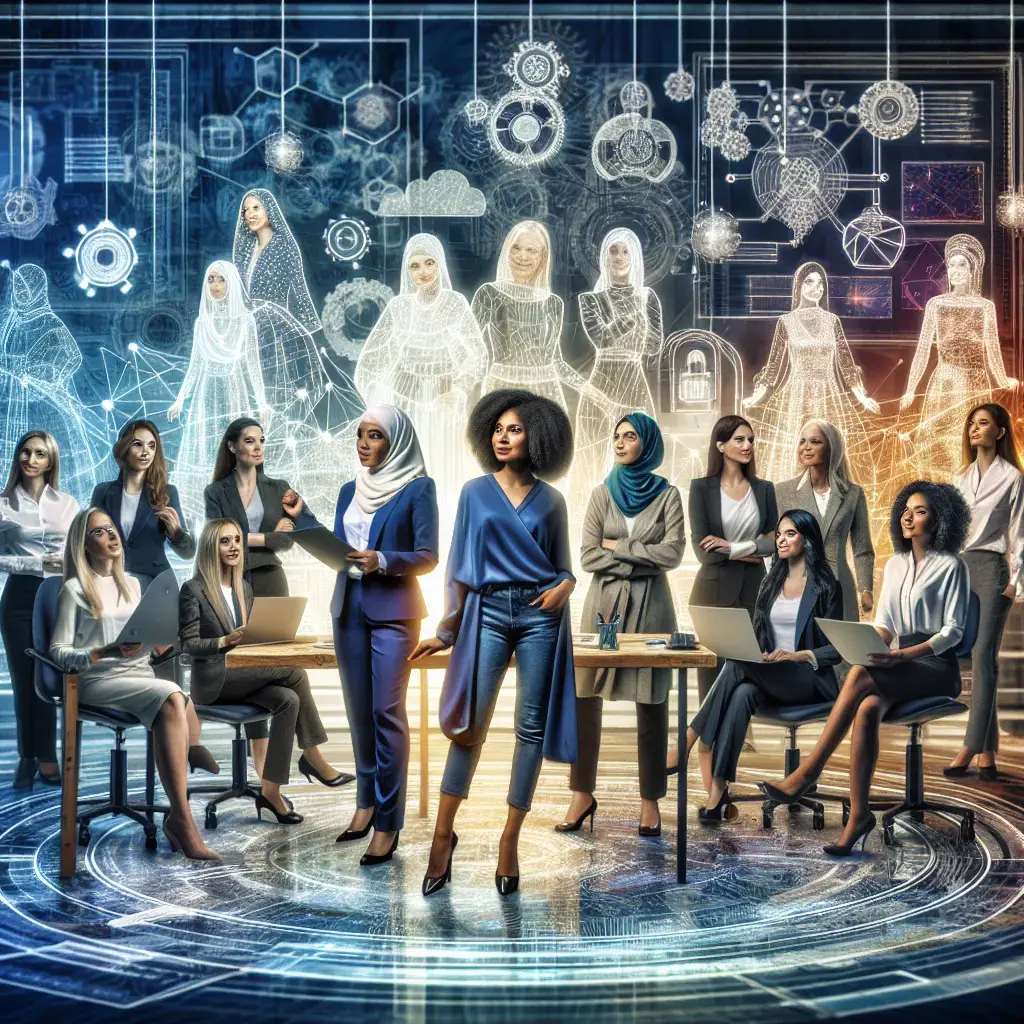
In recent years, the future of women in AI and machine learning has become a pivotal topic as the tech industry strives for greater gender diversity. Women in artificial intelligence are breaking new ground, challenging the status quo, and gradually closing the AI gender gap. This transformation is reshaping the technology sector and redefining opportunities for women in STEM.
As the landscape of artificial intelligence (AI) and machine learning (ML) evolves, the role of women in these fields is becoming increasingly significant. Women in AI and machine learning are at the forefront of technological innovations, bridging gender gaps, and shaping an inclusive future in tech. This transformation not only promotes gender diversity in tech but also enhances the creativity and problem-solving capabilities of AI technologies.
Gender diversity in tech is not just a social aspiration but a strategic advantage. Diverse teams outperform homogenous ones by offering a broader range of perspectives, which is essential in developing AI systems that are fair and unbiased. Despite this understanding, women continue to face significant challenges in breaking into and advancing within the AI sector.
Recent efforts to address the AI gender gap have resulted in increased visibility and opportunities for women leaders in AI. Programs and initiatives aimed at empowering women in tech are gradually creating a pipeline of female AI pioneers who are poised to lead the next wave of innovation.
In the realm of cinema, Naomi Ackie's performance in "Blink Twice," as highlighted in Zoë Kravitz's directorial debut, emphasizes narratives where women negotiate trauma and bias—a theme resonant with challenges faced by women in AI. Such stories underscore the importance of representation and provide inspiration for women entering male-dominated fields like AI and machine learning.
Breaking Barriers: The Path Forward
The path to closing the AI gender gap involves not only attracting more women to STEM fields but also retaining them through supportive networks and career opportunities. Initiatives such as mentorship programs, scholarships, and workshops are pivotal. They empower women tech innovators to bring their unique perspectives to the table, driving AI inclusivity and leading to more equitable technological solutions.
However, breaking barriers in AI for women is not without its challenges. As highlighted by Stephanie Lamy's research, online subcultures can perpetuate misogyny, presenting obstacles to women pursuing careers in tech. Addressing these societal issues is crucial for fostering a safe and encouraging environment where women can thrive.
Media portrayals play a vital role in shaping perceptions and aspirations. By showcasing strong female protagonists and leaders, movies and series can inspire more women to consider careers in AI. For example, Netflix's upcoming series "The Perfect Couple," part of their August 2024 schedule, promises diverse representations that could influence cultural narratives around gender roles in tech industries.
Additionally, documentaries and films about real-world female leaders in AI can provide powerful case studies, illustrating the journey of overcoming barriers and leading innovations. These narratives not only celebrate achievements but also serve as educational tools that highlight the importance of diversity in machine learning.
Case Studies: Women Leading the Way
Several female AI pioneers are making significant contributions across various domains:
Fei-Fei Li, a prominent figure in AI research, has been instrumental in advocating for gender diversity through initiatives like AI4ALL, which aims to increase inclusion and diversity in artificial intelligence.
Rana el Kaliouby, co-founder of Affectiva, is pioneering emotion AI technology while championing diversity in tech.
These leaders exemplify how empowering women in tech can lead to groundbreaking innovations that benefit society as a whole.
Looking ahead, the future of women in AI is promising yet requires continuous effort. As demand for skilled professionals in AI and machine learning grows, so do career opportunities for women. Industries must prioritize creating an inclusive environment that supports women through leadership roles, flexible work arrangements, and policies that address gender biases.


Leave a Comment