


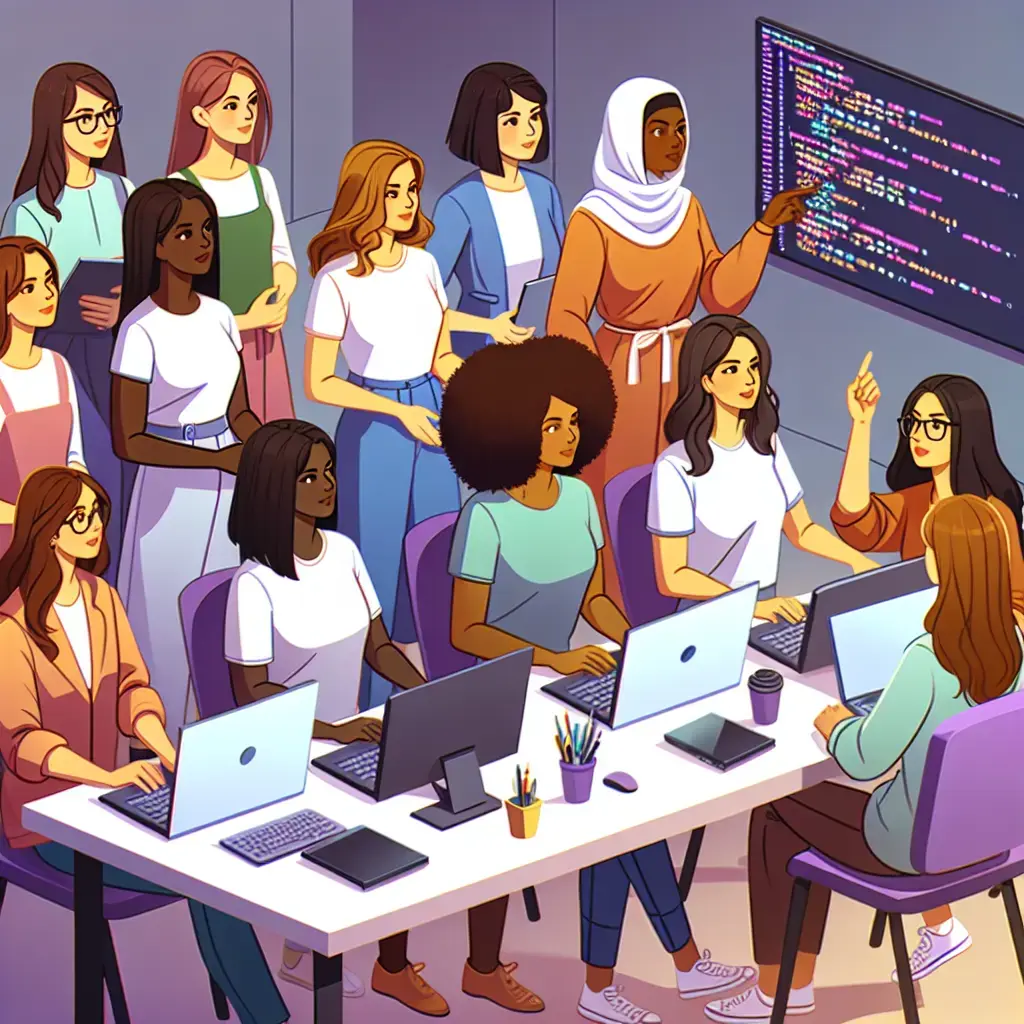
In an era where innovation drives every sector, the tech industry stands at the forefront. Yet, it faces a persistent challenge: gender bias. Despite strides made towards promoting inclusivity in tech, gender discrimination continues to hinder progress. This issue not only affects women in technology but also stifles the creativity and innovation that diverse perspectives bring. Overcoming gender bias is crucial for establishing an inclusive workplace in tech, where gender parity can thrive.
In an industry known for its rapid innovation and cutting-edge advancements, the tech sector paradoxically grapples with a longstanding issue: gender bias. Despite ongoing efforts to promote inclusivity, gender discrimination remains a significant barrier to achieving true gender parity in technology. Addressing this issue is not only a moral imperative but also a strategic necessity to foster creativity, drive innovation, and build an inclusive workplace in tech.
To effectively combat gender bias in the tech industry, it's essential to first understand its pervasive nature. Gender bias manifests in various forms, from unequal pay and representation to unconscious biases that affect hiring and promotion decisions. Recent research highlights how these biases hinder women in technology, often resulting in a lack of role models and mentors for aspiring female technologists. As Naomi Ackie aptly describes her experiences in Hollywood, similar biases are evident in tech, where women must navigate a landscape fraught with barriers source.
One of the most impactful ways to reduce gender bias is through comprehensive policy changes that promote gender equality in tech. Implementing gender diversity strategies, such as equal pay audits and transparency in promotion criteria, can significantly reduce disparities. Companies like Netflix have shown that prioritizing diversity not only supports an inclusive environment but also enhances creativity and storytelling source. By promoting inclusivity in tech through intentional policy changes, organizations can make substantial progress towards breaking the glass ceiling.
Empowering women in tech is crucial for overcoming gender bias. Initiatives that provide mentorship, networking opportunities, and leadership development for women can help build the confidence and skills needed to advance in the tech industry. Former Pimienta Films executive producer Paulina Valencia's involvement in diverse projects exemplifies how supporting women can lead to successful outcomes across creative industries source. Encouraging similar support systems in tech can foster a more supportive and empowering environment for women.
Leveraging Media and Representation
Media plays a pivotal role in shaping societal perceptions of gender roles. Increasing representation of women in technology through films, series, and documentaries can help challenge stereotypes and inspire future generations. Shows like "The Perfect Couple" on Netflix not only entertain but also highlight diverse narratives that resonate with audiences source. By leveraging media to amplify the achievements of women in technology, we can combat gender discrimination and promote a culture of inclusivity.
Creating an inclusive workplace in tech requires a cultural shift that values diverse perspectives. Companies must actively engage in dialogue about gender equality and implement training programs to address unconscious biases. The unfortunate sinking of The Bayesian yacht due to unexpected weather illustrates the need for preparedness and adaptability—qualities equally applicable to navigating gender dynamics within organizations source. By fostering open communication and continuous learning, tech companies can create environments where all employees feel valued and heard.
Support for women extends beyond the workplace into educational institutions where foundational skills are developed. Encouraging girls to pursue STEM fields through scholarships, workshops, and mentorship programs is essential for building a pipeline of future female tech leaders. As highlighted by researcher Stephanie Lamy, addressing online misogynistic subcultures is crucial for creating safe spaces where young women can thrive source. Supporting women in STEM from an early age lays the groundwork for greater gender parity in technology.
Embracing gender diversity strategies is not just about meeting quotas; it's about enhancing organizational performance and innovation. Diverse teams are proven to produce more innovative solutions by bringing varied perspectives to problem-solving. Companies like Google have invested in diversity training and initiatives to nurture a culture that values contributions from all genders source. By prioritizing gender diversity strategies, the tech industry can harness the full potential of its workforce.
Addressing Intersectionality
While focusing on gender bias, it's vital to recognize the intersectionality of other identities such as race, ethnicity, and sexuality that compound discrimination. An inclusive approach must consider these dimensions to create equitable opportunities for all women in technology. Films like "Blink Twice," which highlight women's stories across different backgrounds, remind us of the importance of addressing intersectional challenges source.
In conclusion, overcoming gender bias in the tech industry requires a multifaceted approach that encompasses policy changes, empowerment initiatives, media representation, workplace culture shifts, STEM support, diversity strategies, and intersectionality awareness. By implementing these strategies, we pave the way for a more equitable and dynamic tech landscape where everyone has equal opportunities to succeed and innovate.
For further insights on combating gender discrimination and promoting inclusivity in tech, explore resources from Lean In and Women Who Code, organizations dedicated to supporting women in technology.
I encourage you to reflect on these strategies and consider how they might be applied in your own workplace or community. What experiences or insights can you share that could further enrich this conversation? Together, let's continue to drive change and build a tech industry that is truly inclusive for all.




Leave a Comment